
Wildlife / Nature
Nature
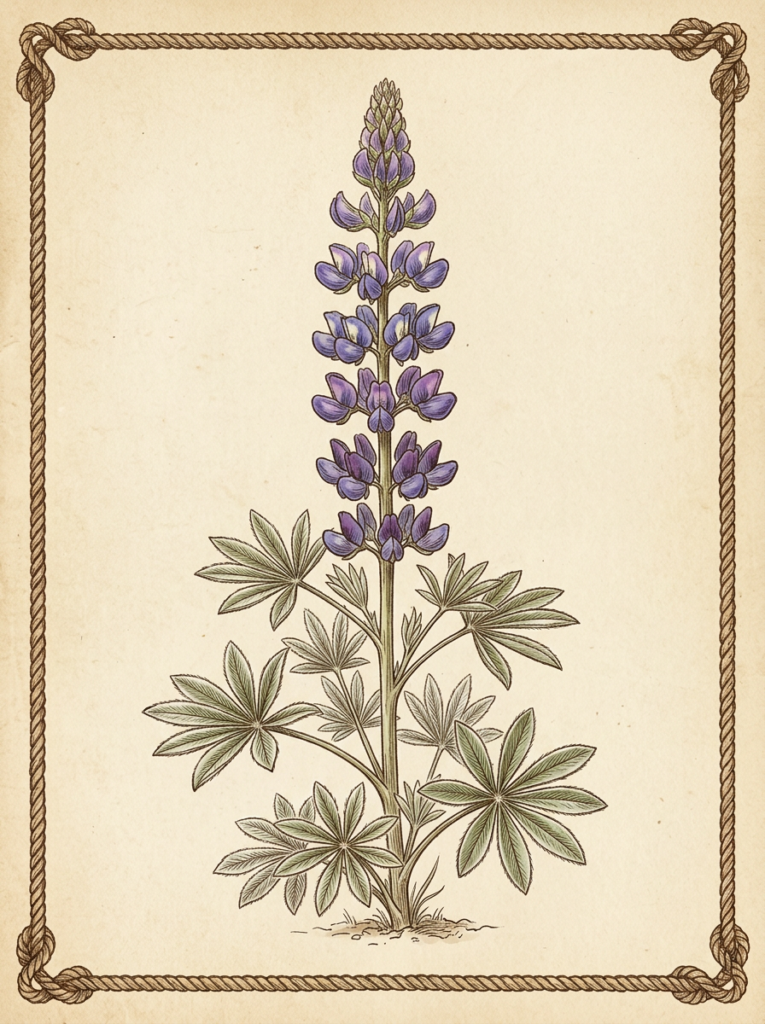
The hillsides start waking up not long after the snow leaves. Rocky Mountain iris bloom down near Rush Lake. Columbine hide in the cool shade beneath the pines. Indian paintbrush lights up along the road in reds and orange once summer settles in. Lupine shows up thick in places too… soft purple stretching across the hillsides after a good rain. Aspens turn the canyon gold every fall. Ponderosa pines stand tall year round, smelling like sun-warmed bark and dry mountain air. Some of them have been here longer than anybody around to remember.
There’s color everywhere if you slow down enough to notice it. Wildflowers pushing through rock. Moss on some of the outcrop rocks. Tall grass moving with the wind. The land changes with every season up here. That’s part of why we like to see our friends and family come back.

Arrowleaf Balsaroot
Arrowroot balsamroot blooms early up here. Bright yellow flowers spread across the ranch not long after the snow starts pulling back. Looks a little like wild sunflowers if you catch them from a distance. They grow low and stubborn in the rocky ground. Thick roots holding on through wind, drought and late spring snowstorms. Been part of this country a long time. Long before fences and trail signs, Native tribes across the West used balsamroot for food and medicine. The roots could be roasted or dried, and the plant itself was known for being tough enough to survive hard country and harsher seasons.
They like open spaces here on the ranch and turn yellow for a few short weeks before summer settles in. Doesn’t last long. Most good things up here don’t.
Oak Brush
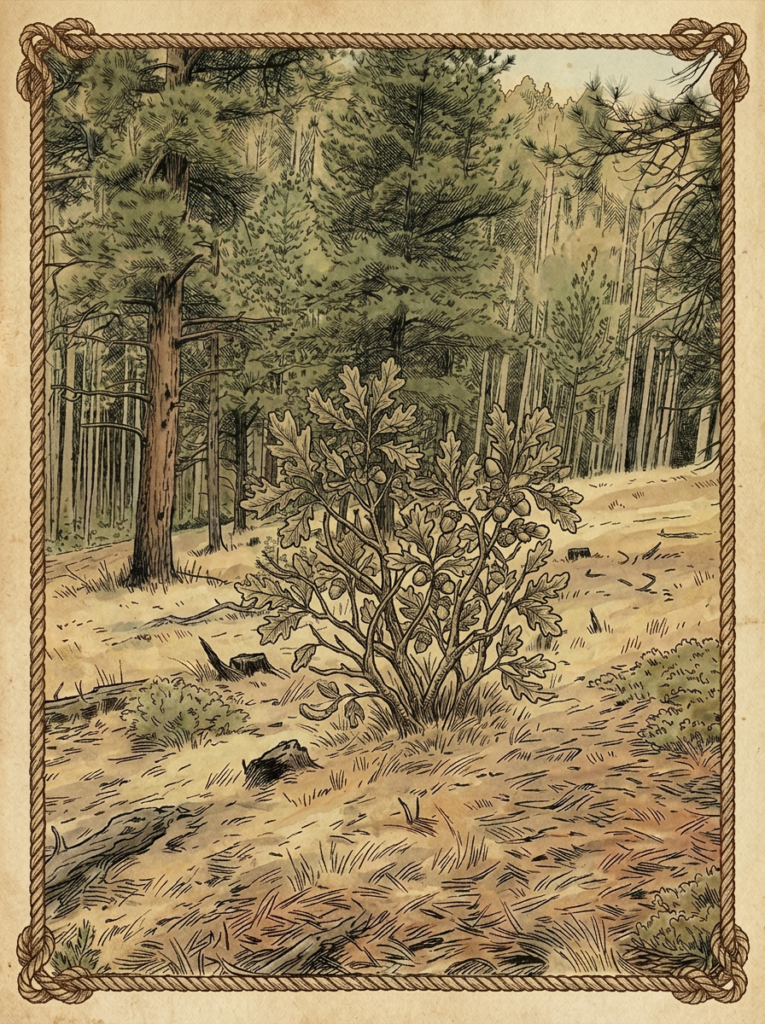
Oak brush covers parts of the hillsides and open country around the ranch. Dense brush twisting in patches, changing with the seasons as the mountains shift from green to gold to deep rust in the fall.
Though often called gambel oak, these stands are remarkably resilient — sending up new growth after drought and harsh winters that move through the high country. Their deep root systems have held to these hillsides for generations.
In autumn, the leaves turn rich shades of amber, copper, and red, lighting up around the aspens. Deer and wild turkey move constantly through the cover, especially in the quieter hours of the morning and evening.
The brush can grow thick in places. Good country for slowing down. Better country for getting a little lost in.
Pasque Flower
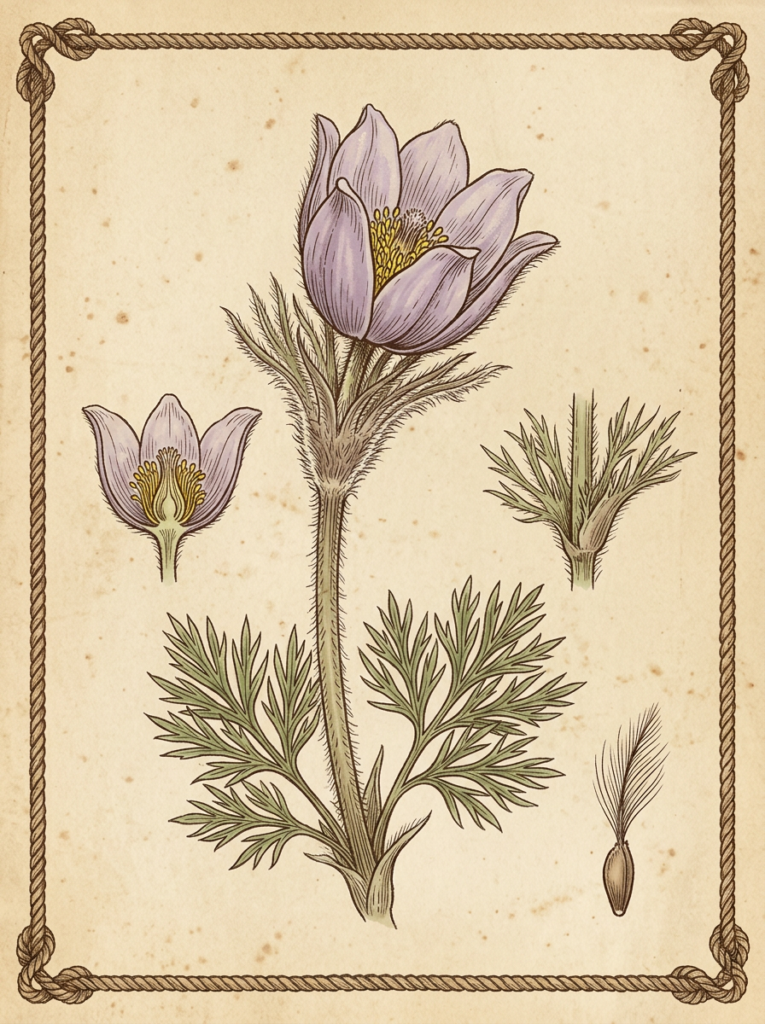
Pasque flowers are usually the first sign winter’s finally losing its grip on the ranch. Small purple blooms pushing up through cold ground while there’s still snow tucked back in the woods. They bloom low to the earth, covered in soft silver hairs that help protect them from the mountain cold and wind. Tough little flowers. Built for high country weather. They tend to show up early, just flashes of purple scattered through the grass and rocky ground. Doesn’t seem like much at first until you start noticing them everywhere.
There’s an old belief that pasque flowers mark the changing of seasons and the beginning of spring. Up here, they usually mean mud season isn’t far behind. Easy to overlook if you’re looking down on the Great Plains instead of the trail.
Ponderosa Pine
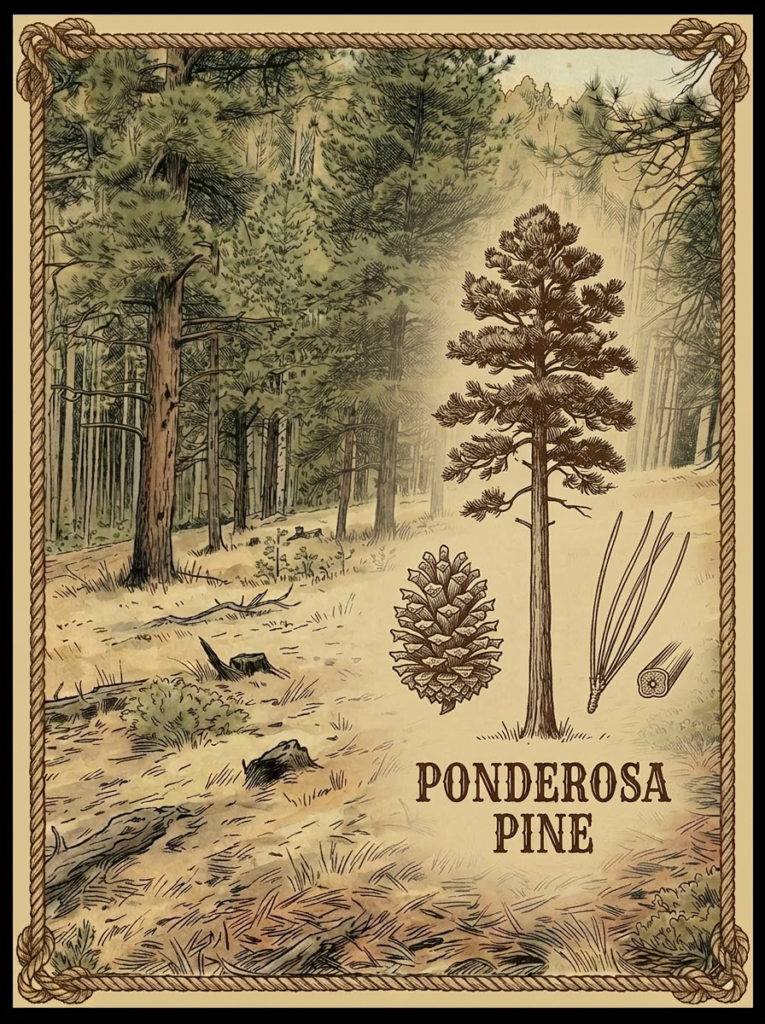
Ponderosa pines stand tall all across the ranch. Wide trunks. Long needles. Orange bark that catches the evening light just right. They handle the mountain weather better than most. Wind, snow, drought, wildfire… ponderosas were built for it. If the sun’s been warming the bark all afternoon, you can catch the smell too. Vanilla and dry mountain air. Hard to forget once you notice it. You’ll see signs of time on a lot of them. Old lightning scars. Woodpecker holes. The occasional mark left behind by black bears climbing to take a look around.
The pines are a good part of life at the ranch. Shade in the summer. Shelter in the winter. Wind moving through the tops late in the evening. Most trails on the ranch wind through our ponderosa forest at some point. Quiet country. Smells like Colorado.
Kinnikinnick
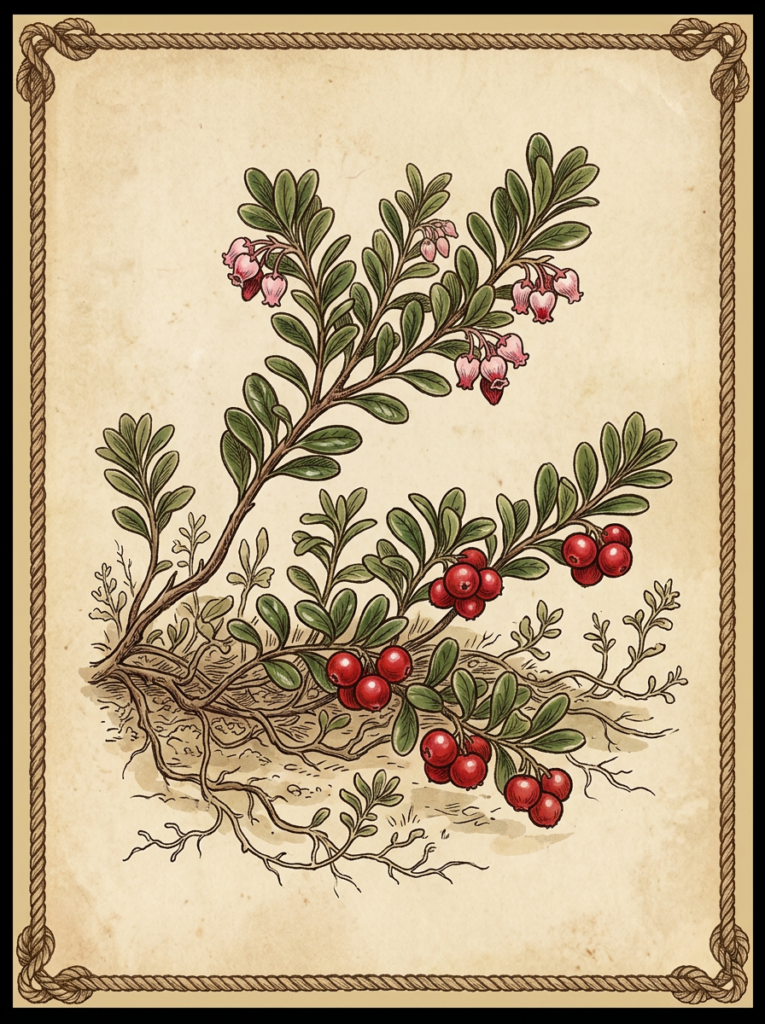
Kinnikinnick grows low across the forest floor beneath the ponderosas and aspens. Small evergreen leaves, red berries, and twisting stems that spread slowly through the rocky ground. Easy to spot throughout the ranch. It stays green even through the winter. One of the few plants up here that does. The name comes from an Algonquin word meaning “mixture,” and the plant was traditionally used by Native tribes in herbal blends and ceremonies throughout the mountains and plains. Bears, birds and other wildlife still rely on the berries once fall starts settling on the ranch.
You’ll find kinnikinnick all over the ranch. Growing quiet near the trees while everything else changes with the seasons.
Alpine Bistort
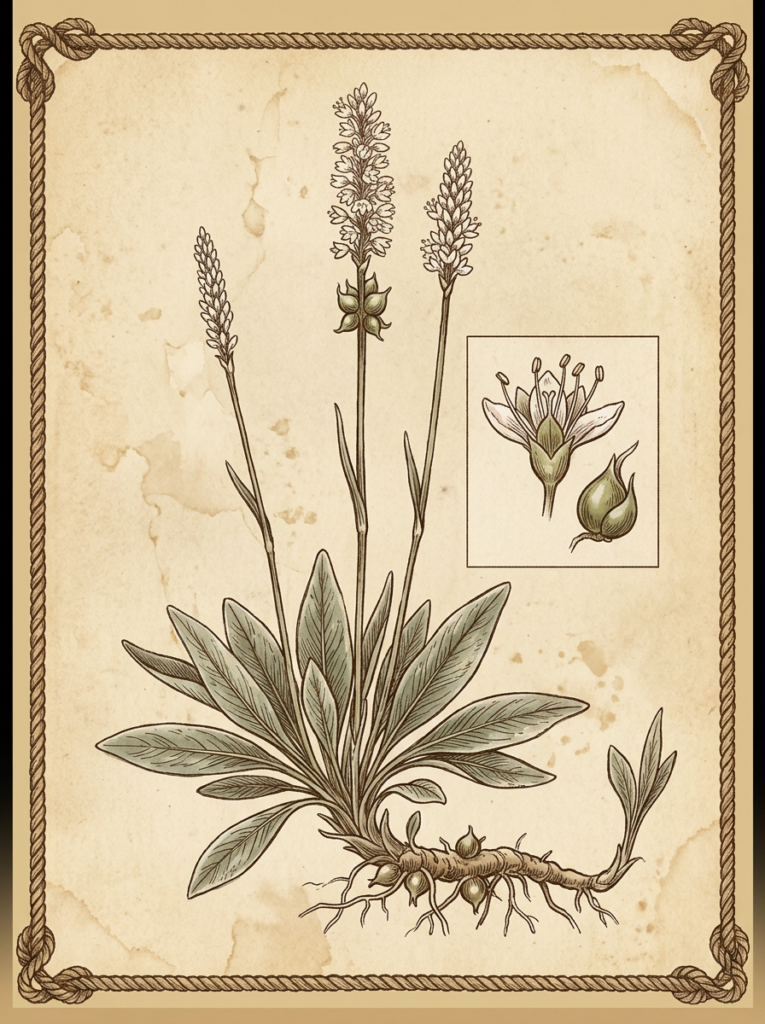
Alpine bistort are rare and only show up once summer settles into the ranch. Tall stems topped with soft pink and white blooms that move with the wind across the ranch. You’ll usually find them where the ground stays cool and damp longest. Along the creek line of the 505 Trail—places the deer like to bed down once the afternoons get warm.
The roots were once gathered by Native tribes and early mountain settlers for food and medicine. Tough plant. Grew well in hard country where not much else would.
By midsummer you’ll find them with the wild iris and lupine all mixed together. Bees everywhere. Hawks overhead. Wind through the grass. Quiet country this time of year.
Columbine
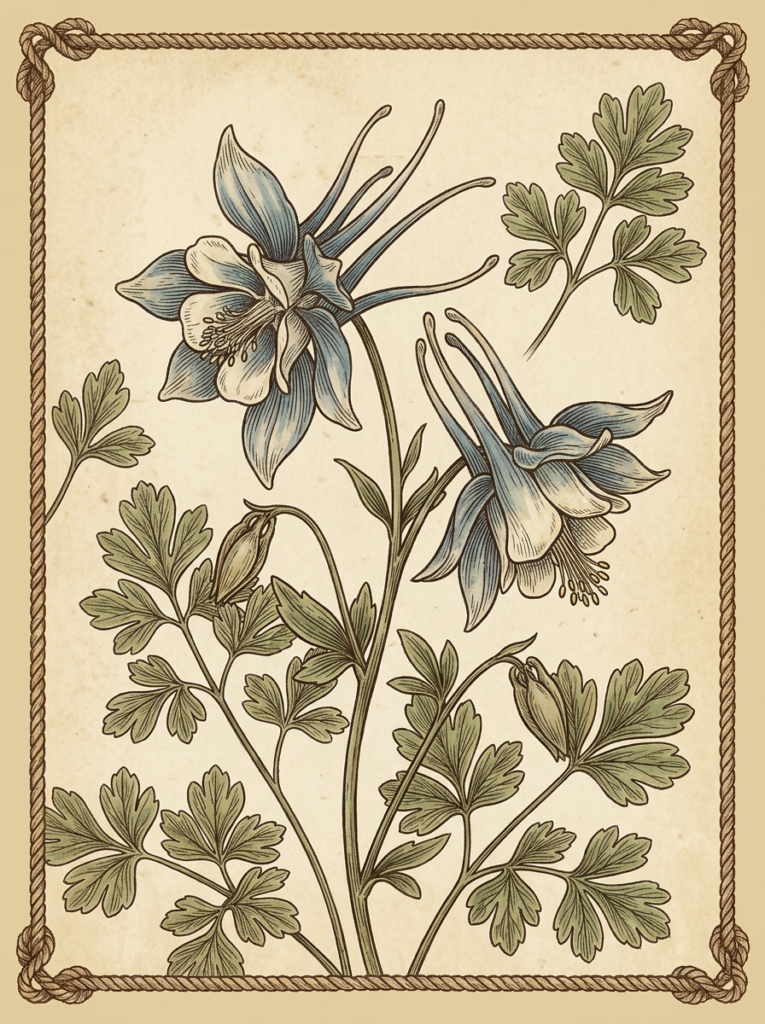
Columbine show up all over the ranch once spring settles in. Usually tucked beneath the aspens or growing quiet along the trails. White and blue mostly. Hard to miss if you’re paying attention.
They’re Colorado’s state flower for a reason. Delicate looking, but tough enough for mountain weather and late snow. Blooming early summer right when the ranch starts turning green again. For some reason, they look better on the ranch… moving in the wind beside the trails.
Aspen
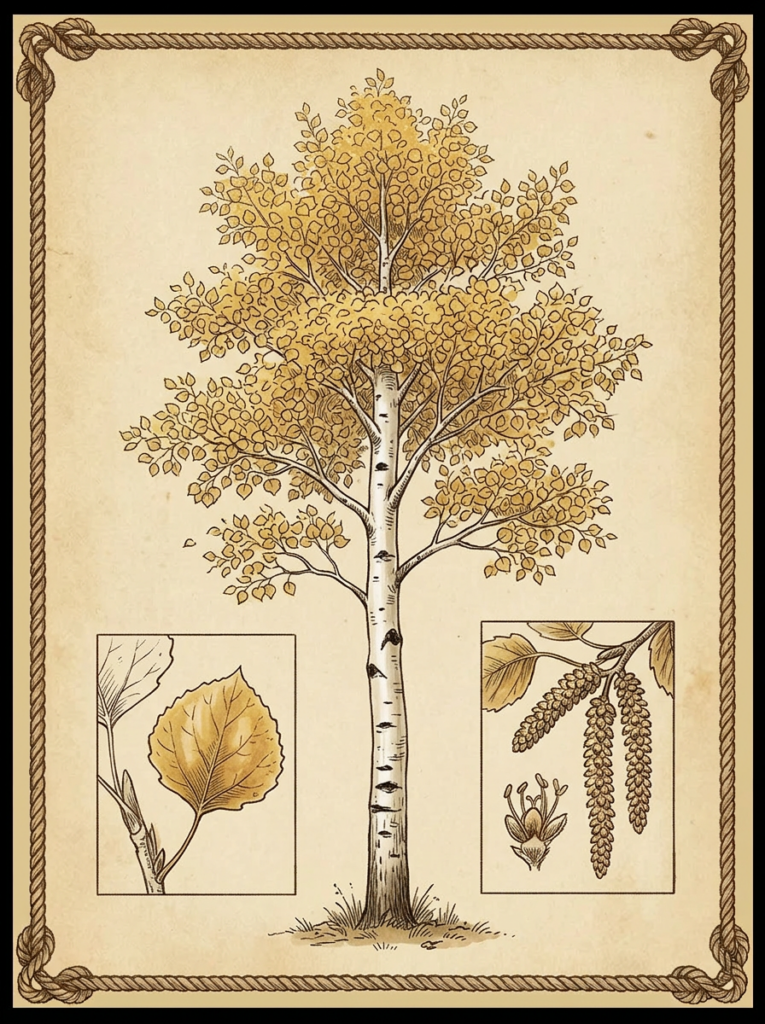
Aspens have created a ribbon down the middle of the ranch. Tall white trunks. Leaves that shake even when the wind barely moves (quaking aspens!). Most of you know them for the fall colors. Gold mostly. Sometimes orange and red mixed in once the nights start getting cold in September and October. The entire ranch lights up for a few short weeks before winter settles back in.
What looks like a forest is often just one living thing. Aspen grow connected underground through a shared root system, sending up new trees year after year. Old roots. New growth. Been happening up here a long time.
Ranch Camp and the 505 Trail are especially good once the leaves start turning. Quiet walks. Cooler air. Gold in every direction.
Indian Paintbrush
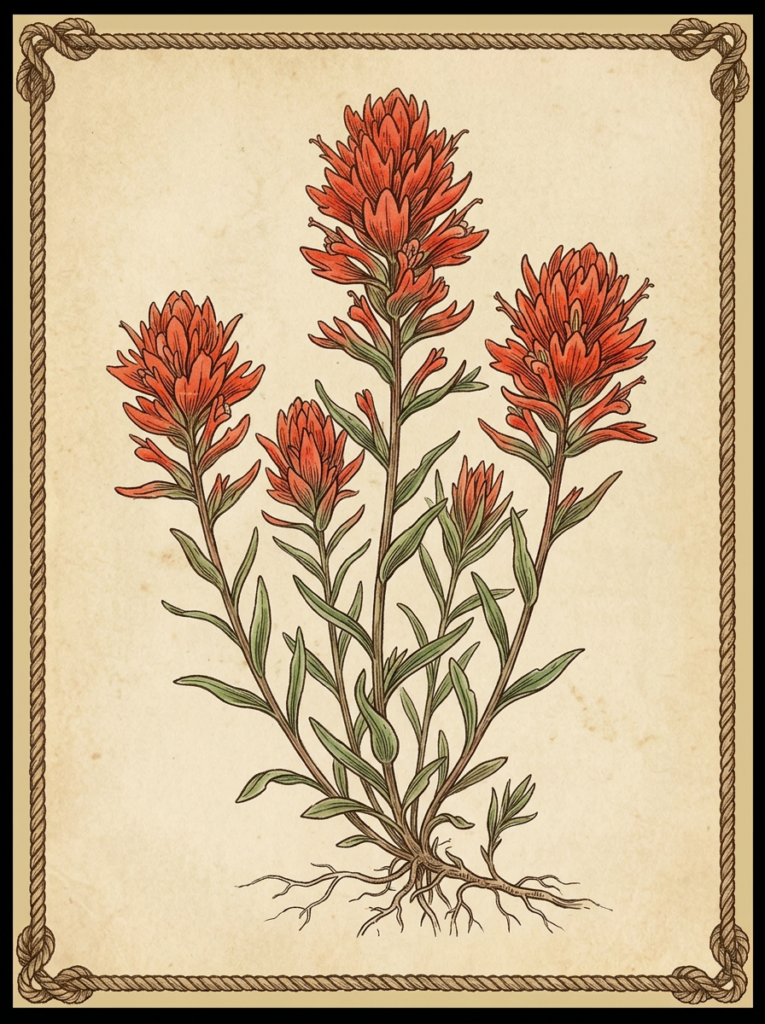
Indian paintbrush grow wild all over the ranch once summer gets going. Bright reds mostly, but we’ve seen some orange, yellow and white scattered around. Hard to miss against all the green. There’s an old story behind them too. A young brave tried to paint the sunset using his war paints but couldn’t match the colors spread across the sky. Frustrated, he asked the Great Spirit for guidance. The Great Spirit handed him brushes filled with the colors of the evening light. After finishing his masterpiece, he left the brushes behind across the fields and hillsides. By the next season, Indian paintbrush had begun growing where they fell.
Some stories just belong out here.
Silky Lupine
The soundtrack. You may go a whole stay without seeing one, but you will hear them — that wild, layered chorus that opens up after dark and answers itself across the canyon. Singles trot the ranch roads in the early morning, all business, scanning the meadows for voles. Smart, adaptable, and very much at home here.
Fireweed
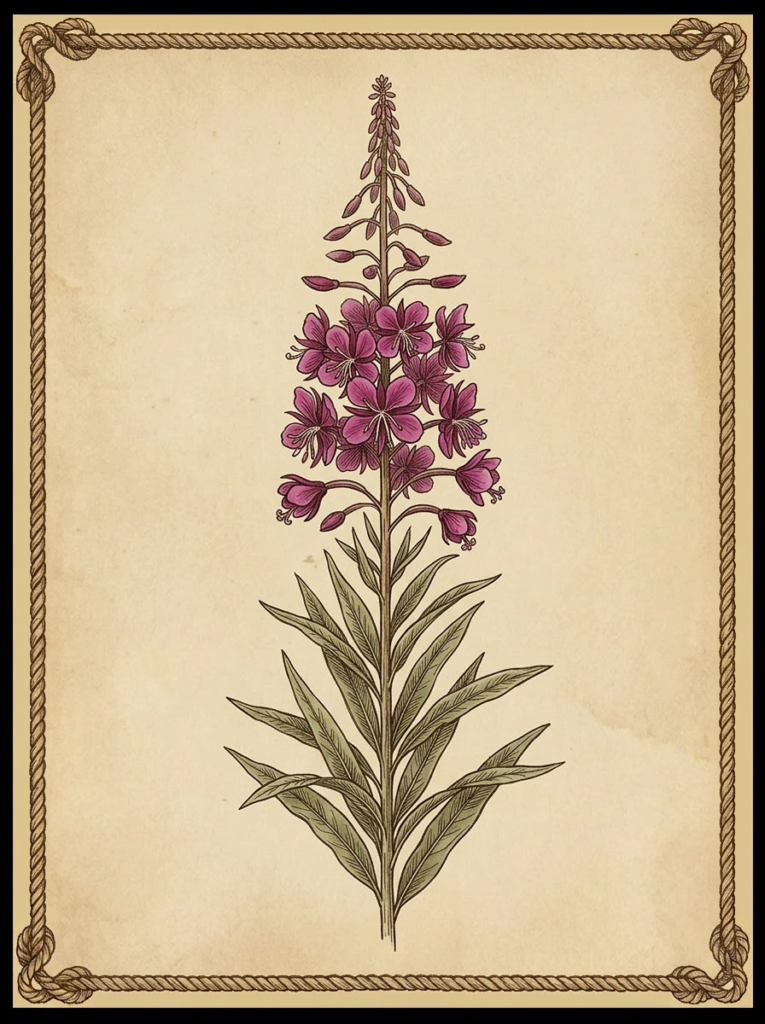
Fireweed usually shows up after the mountain’s been through something. Disturbed ground. Open hillsides recovering after hard seasons. Bright purple blooms climb through the grass by midsummer, hard to miss once the light hits them in the evening.
The plant earned its name because it’s often one of the first wildflowers to return after the grounds been disturbed. A sign the land’s healing itself. New growth pushing through old ground. You’ll find patches of fireweed scattered around the ranch where the sun stays strong and the soil’s had time to breathe again. Bees love it. So do the hummingbirds.
Up here, even the rough country comes back eventually.
Douglas Fir
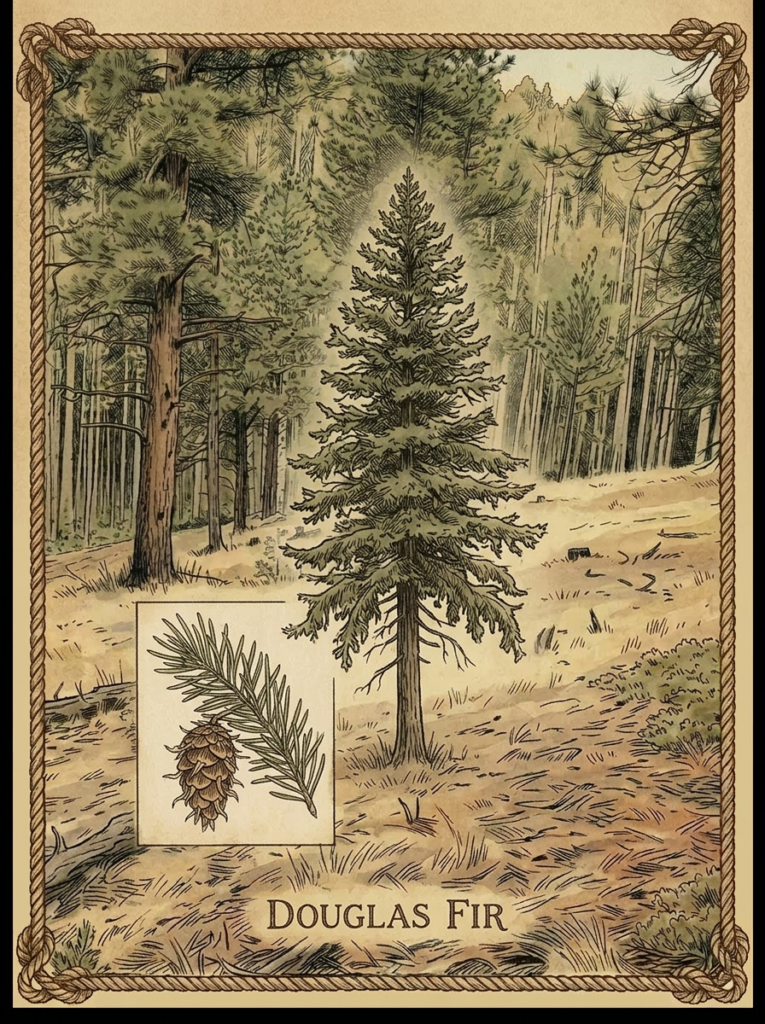
Douglas fir grow thick through the cooler parts of the ranch. Dark green year round with tall straight trunks that disappear into the canopy above. They’ve been part of these mountains a long time. Built for heavy snow, hard winters and steep country. Quiet trees. Solid trees. If you look close at the cones scattered along the trails, you’ll notice the small three-pointed bracts sticking out between the scales. Old stories say they look like the tail and legs of mice hiding inside the cones after a forest fire swept through the mountains. The shade stays cooler beneath the firs even in the middle of summer. Smells like damp earth, pine needles and mountain rain.
Good country to slow down in.
Woodland Sage
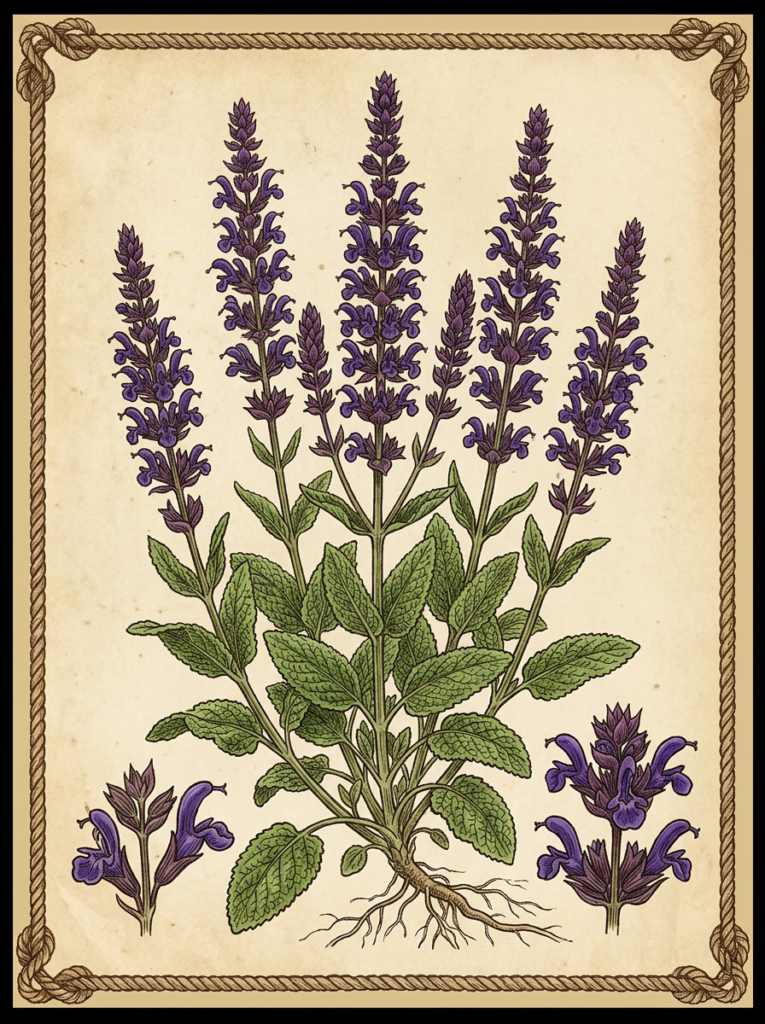
Woodland sage grows wild through the open areas and along the edges of the timber once summer settles into the ranch. Soft purple blooms standing above silver-green leaves that carry a sharp mountain scent once the sun warms them up. Bees stay busy around it most of the day. Hummingbirds too if you sit still long enough. For generations sage has been tied to healing, cleansing and mountain medicine. Different varieties grow all across the West, holding on through dry summers, rocky soil and hard weather. Tough plants. You’ll usually catch the smell before you notice the flowers. Wind moving through the grass. Pine in the air. Sage warming in the afternoon sun.
Smells like summer up here.
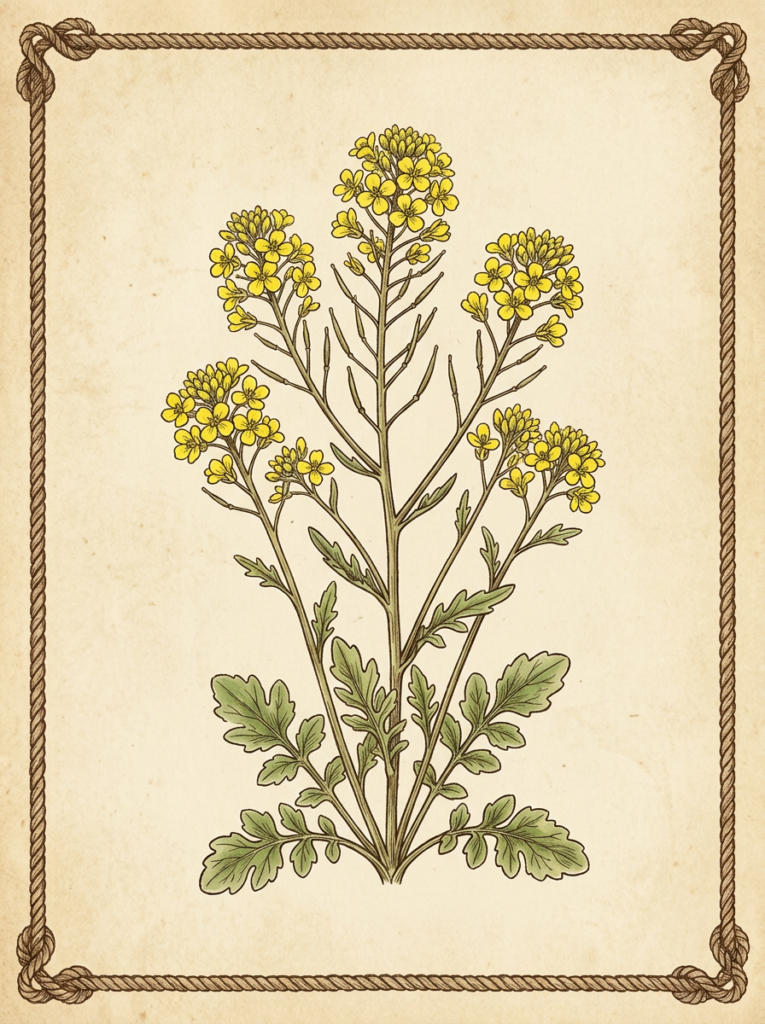
Common Wintercress
Common wintercress starts showing up early in the season while most of the ranch is still waking up from winter. Bright yellow flowers growing thick along the trails and damp ground where the snow melted first. It’s one of the first patches of color to come back to the canyon each spring. Tough enough to handle cold nights, late snow and muddy ground without much trouble.
The leaves were once gathered by early settlers and mountain travelers for food after long winters when fresh greens were hard to come by. Bitter taste, but useful in hard country. By late spring you’ll find wintercress scattered across some of the meadows, mixing in with the first wildflowers of the season.
A sure sign the mountains are thawing out again.
Wild Iris
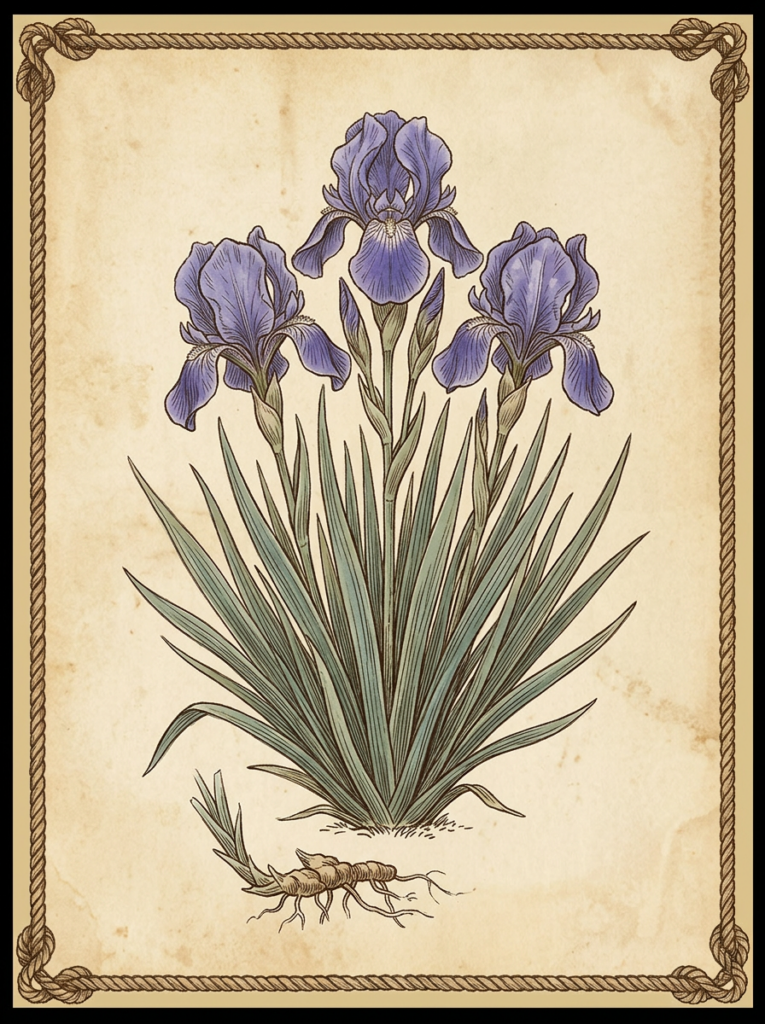
The wild iris bloom quietly around the ranch once spring runoff from the snow starts. Deep purple and blue flowers tucked into the grass beneath the aspens and along shaded trails. They don’t last long. A few weeks maybe before summer starts drying things out. Most of the time we walk right past them without noticing. But if you slow down and walk the trails early in the morning, you’ll find small patches blooming in the cool mountain shade. The flowers grow delicate, but they handle harsh country better than they look like they should. Late snow, cold nights, hard wind… they come back every year anyway.
Part of spring up here. Quiet and easy to miss.
Sage
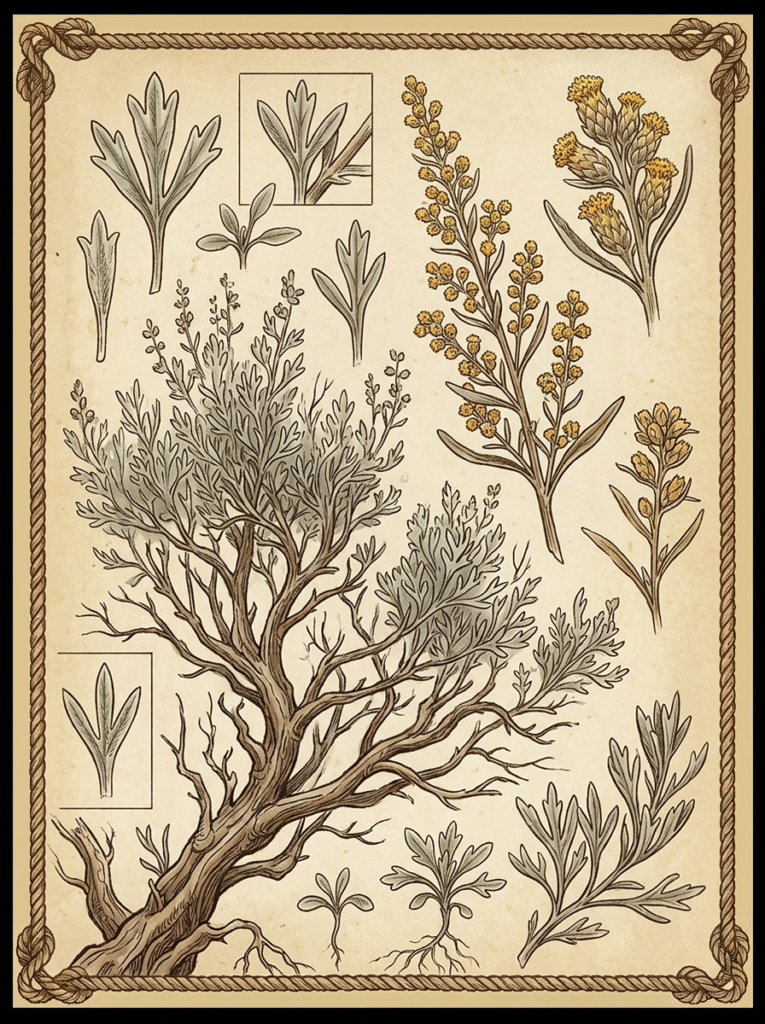
Sage grows wild across the open areas around the ranch. Silver-green brush spread through the dry ground where the sun hits hardest through the afternoon. Once the wind starts moving through it, the whole ranch smells different. Sharp, earthy and clean. Smells like high desert and mountain country mixed together. For generations sage has been used for medicine, ceremony and survival throughout the West. Tough enough to grow where not much else will. Drought, wind, rocky soil… doesn’t seem to bother it much.
You’ll notice it most walking the lower trails or walking the open meadows after a summer rain. One of those smells you end up remembering long after you leave.
White Fir
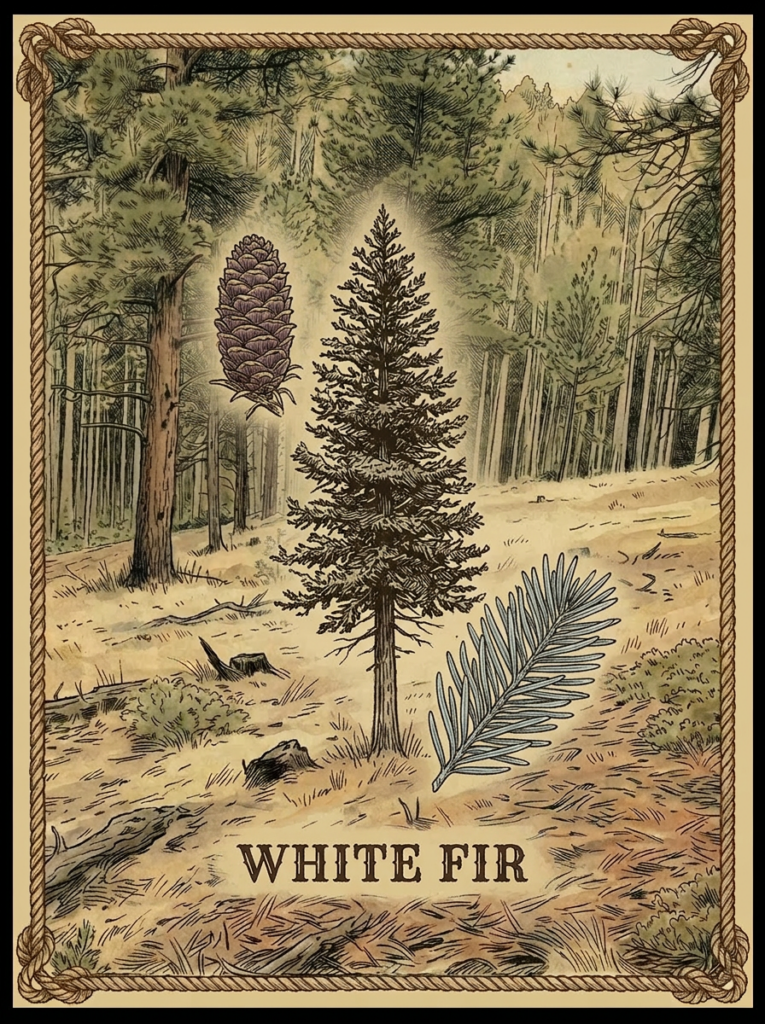
White fir grow through the canyon and shaded timber around the ranch. Tall, straight and dark against the snow once winter settles into the mountains. Their needles grow soft and flat compared to the sharper pine trees nearby, and the forest stays quieter beneath them. Cooler too. Damp earth, fallen needles and mountain air all mixed together.
White fir handle deep snow and cold weather better than most trees up here. Built for long winters and steep country. Some of the older stands have likely watched over these hillsides for generations. You’ll find them growing into the canyon where sunlight comes later in the day. Good places to hike down when the summer heat starts building.
Still country. Mostly wind in the trees.
False Lupine
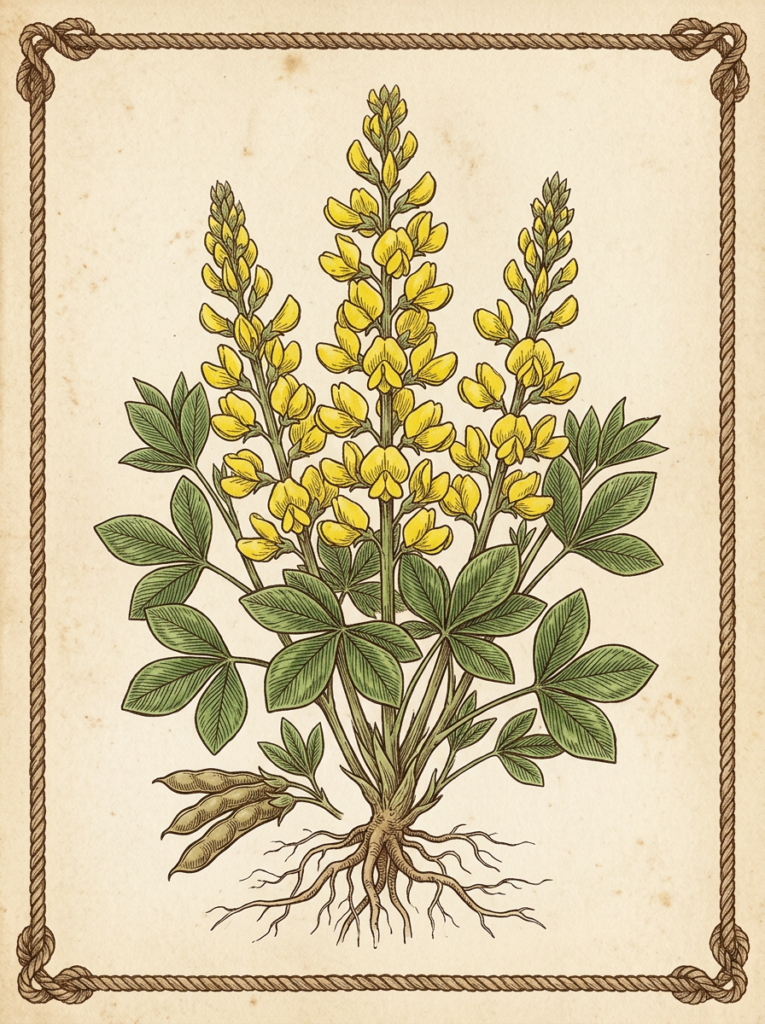
False lupine shows up across the ranch once things start turning green again. Tall stalks of purple-blue flowers scattered through the open areas after a good stretch of spring rain. From a distance they almost look painted into the landscape. Single flowers moving in the wind beneath the aspens and ponderosas. Like a lot of mountain wildflowers, it’s tougher than it looks. Built for rocky soil, cold nights and sudden weather changes that roll through the canyon without much warning. Bees stay busy around it most of the summer.
They don’t grow thick but are certainly noticeable. One more sign summer finally made it back to the ranch.
Western Wallflower
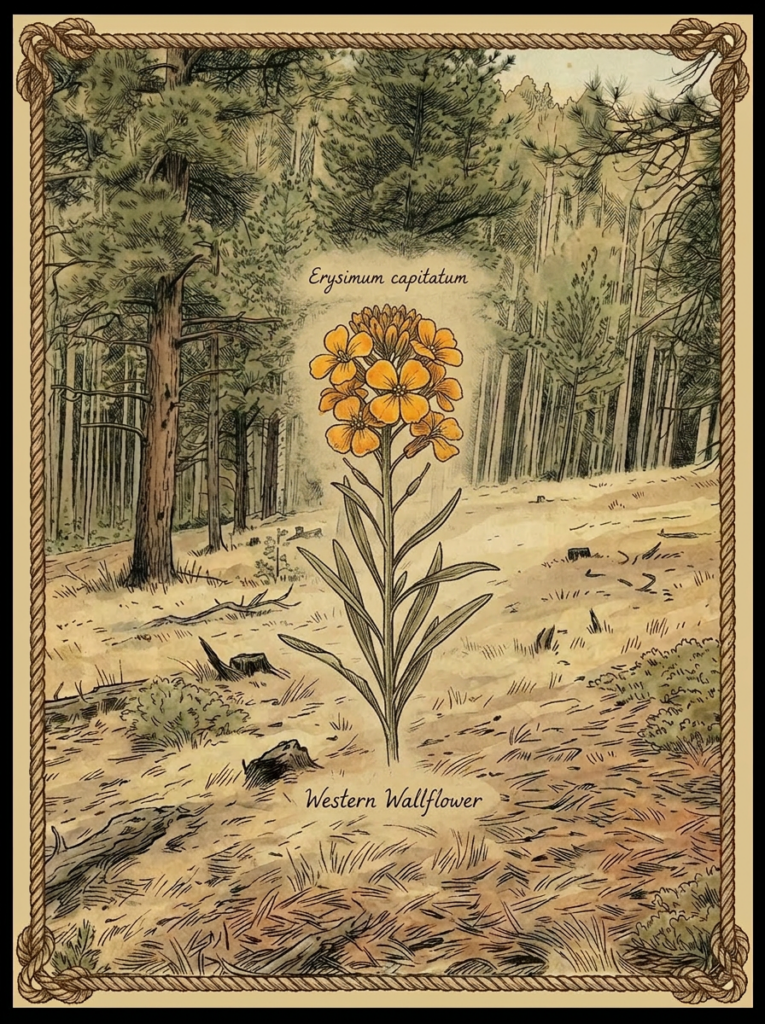
The western wallflower brings some of the first vibrant color to the ranch each spring. Clusters of golden-yellow/orange blooms emerge and signal longer days here in the high country.
Found throughout the mountain West, these hardy wildflowers thrive in the rocky soils and changing conditions at our elevation. Their bright blossoms attract native pollinators while creating striking contrasts against the deep greens of the trees and grasses.
But they are only around for a few short weeks each season, so you have to be here to enjoy.
Sticky Cinquefoil (mountain rose)
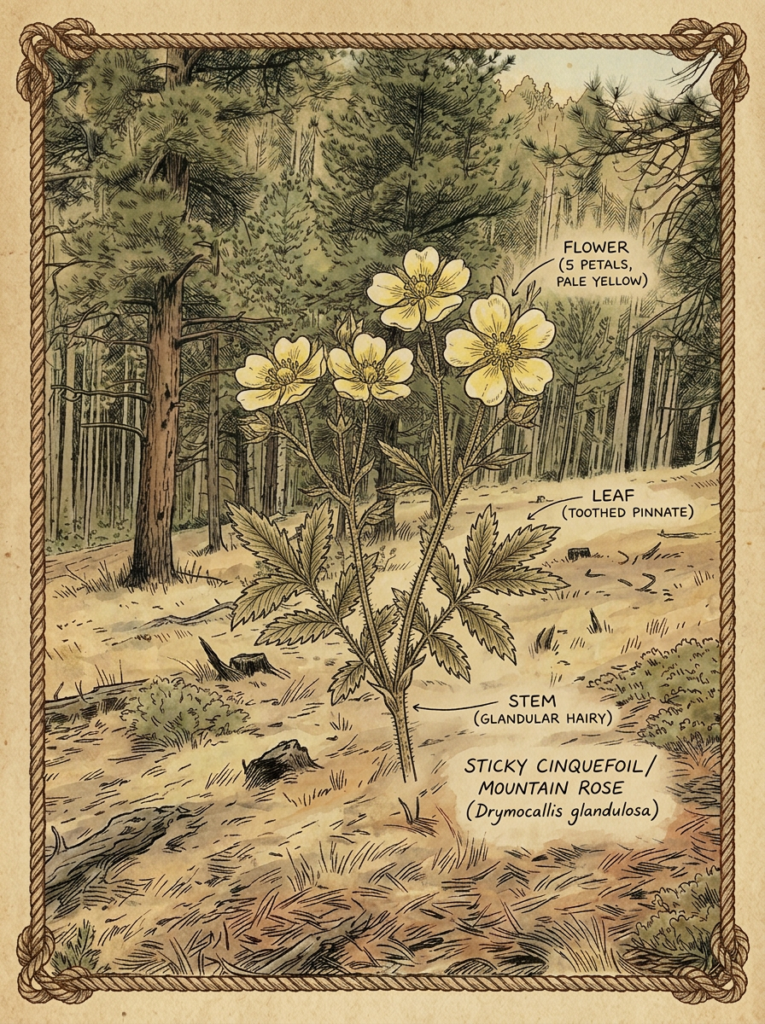
Often called Mountain Rose, sticky cinquefoil is among the ranch’s most elegant summer wildflowers. Delicate yellow blossoms rise early, adding subtle color to the trailsides throughout the growing season.
Despite its refined appearance, sticky cinquefoil is remarkably resilient, thriving in the rugged terrain and changing weather of the southern Rockies. Its long bloom period provides a dependable source of nectar for bees and butterflies that move throughout the ranch during the warmer months.
Scattered across the landscape from late spring through summer, mountain rose offers a quieter beauty than many of Colorado’s more dramatic wildflowers. One of those details that rewards those willing to slow their pace and take in the surrounding landscape.
Rydberg’s Penstemon
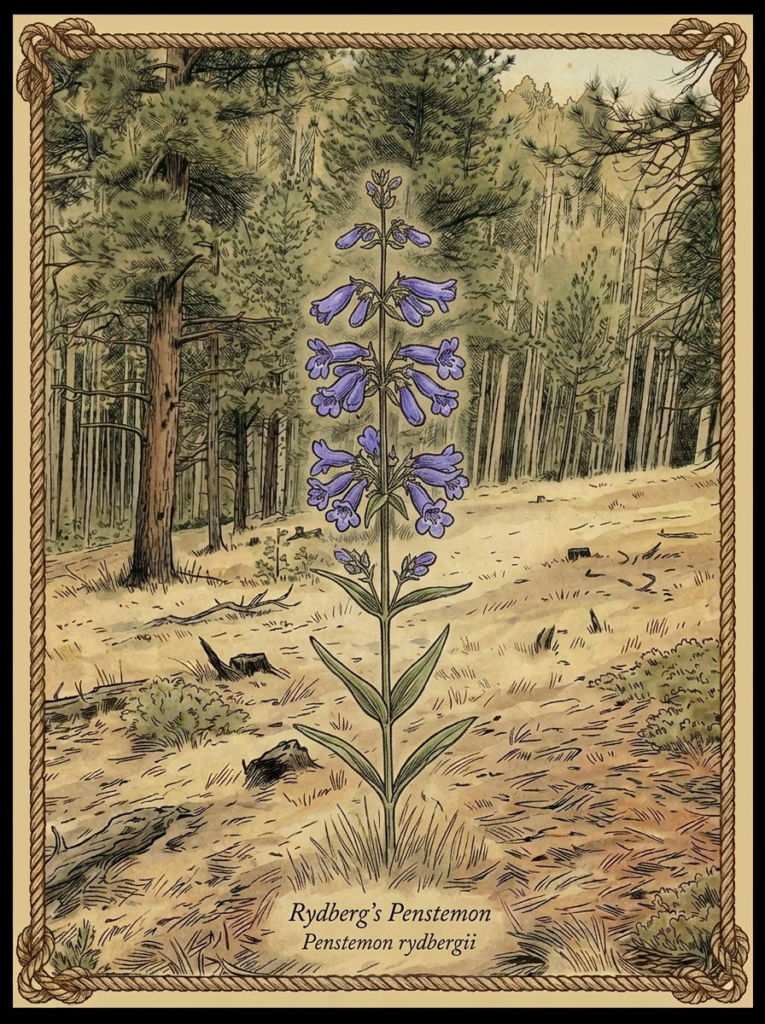
Rydberg’s penstemon brings brilliant shades of violet-blue to the ranch all summer long. The tall flowering stems create pockets of color along the trails.
A favorite of hummingbirds and native pollinators, the trumpet-shaped blooms thrive in the clear mountain air and abundant sunshine found throughout the ranch. Their striking color often stands out against the backdrop of the ponderosa pines.
Named for pioneering botanist Per Axel Rydberg, this native Colorado wildflower is a signature part of the summer landscape. Elegant yet hardy, it reflects our mountain environment — beauty and resilience.
